

Shoulder nerve pain refers to pain, weakness, or altered sensation caused by irritation, compression, or injury to the nerves that supply the shoulder, arm, and hand. It can feel sharp, burning, electric, aching, or associated with pins and needles, and may extend from the shoulder into the arm or neck. Nerve-related shoulder pain can arise from the shoulder itself or from structures nearby, and accurate diagnosis is essential to guide appropriate treatment.
Shoulder nerve pain can result from a range of conditions affecting the nerves as they travel from the neck to the arm. Pain may be felt in the shoulder while the shoulder itself is structurally normal.
Common causes include:
The brachial plexus is a network of nerves that controls movement and sensation in the shoulder and arm. Injury to this nerve group may occur following trauma, traction injuries, or high-energy sporting or motor vehicle accidents and can lead to pain, weakness, or numbness.
This is called brachial neuritis (Parsonage-Turner syndrome), is an uncommon cause of nerve related pain, often with weakness, numbness or pins and needles in the shoulder, arm or hand. It may follow viral illness however its exact cause is often not identified. It may persist for up to 2 years but usually resolves. Steroid medication such as prednisolone may be helpful in its initial stages.
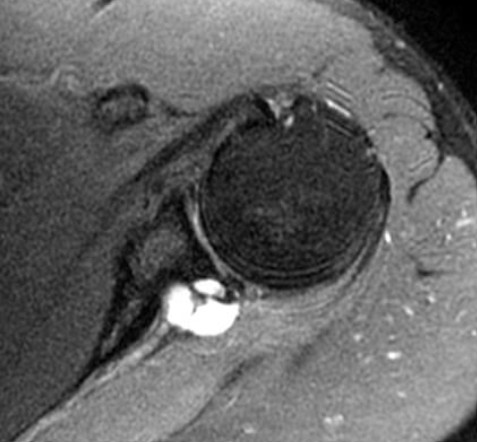
Nerve irritation can occasionally develop following shoulder injury, or may occur due to inflammation, swelling, or scar formation after a fracture or other injury to the shoulder.
Accurate diagnosis is critical, as treatment depends on identifying the true source of nerve irritation. The goal is to determine whether symptoms are arising from irritated or compressed nerves in the neck or shoulder and distinguish this from pain coming from structural issues which may also be present at the same time such as shoulder arthritis or rotator cuff related pain.
Para-labral cysts can be aspirated (contents sucked out) using a needle under CT or ultrasound guidance to reduce size and thus reduce pressure on the nerve.
For specialised cases, a painful nerve can be partially ablated also under image guidance to provide a more lasting relief.
Thoracic outlet syndrome may respond to lifestyle changes and physiotherapy. Injections (cortisone) may be trialled.
The type of surgery depends on the underlying cause of nerve irritation. This may involve relieving nerve compression, addressing shoulder instability, treating associated labral tears or managing other structural contributors identified during assessment.
A common procedure is direct arthroscopic drainage of a paralabral cyst causing pressure on the suprascapular nerve. The labral tear is either debrided or repaired at the same time. The nerve may be freed further by release of the suprascapular ligament above a small tunnel through which it passes and can be compressed.
Resection of a rib or other surgery to relieve pressure can be successful in thoracic outlet syndrome.
Recovery from shoulder nerve pain varies greatly depending on the underlying cause of nerve irritation, the severity and duration of symptoms, and the type of treatment required. Nerve-related symptoms often improve more gradually than muscle or joint pain, and recovery may take longer even with appropriate management. Nerve function may not return to normal if pain or other symptoms from compression have been present for a long time and/or significant weakness of the muscles supplied by the nerve or significant loss of skin feeling exists. Many people experience improvement with a structured treatment plan, which may include activity modification, physiotherapy, and targeted injections or other interventions where appropriate.
Specialist assessment can help clarify the diagnosis and guide the most appropriate treatment pathway.
Shoulder nerve pain can be complex and may have more than one contributing factor. Dr Richard Dallalana provides specialist assessment of shoulder and nerve-related pain, with a focus on accurate diagnosis, identifying contributing conditions, and developing an individualised management plan. On-referral to other specialists such as a neurologist will be made as needed.
Message sent