Shoulder Surgery

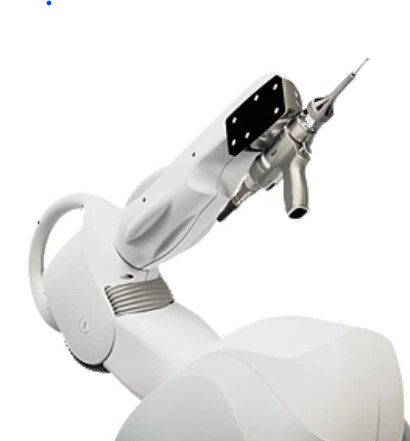
Robotics and Computer Assistance used in Shoulder Surgery

Advanced planning and personalised techniques for shoulder reconstruction

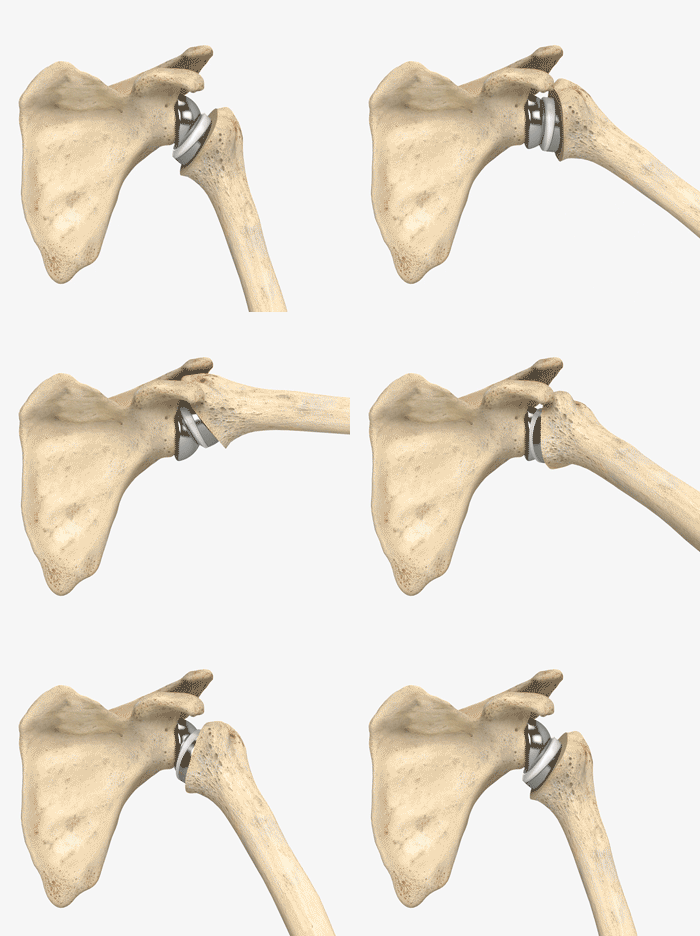
Advances in technology are continuing to shape the way shoulder surgery is planned and performed. Computer-assisted systems and personalised planning tools are increasingly used to improve surgical precision, particularly in complex and revision shoulder procedures. These technologies allow for a more individualised approach, based on the unique anatomy of your shoulder. Robotics have a role in some cases in assisting with some of the bone preparation in replacement surgery. The robotic arm cuts the bone exactly where instructed by the pre-operative computer plan.

1. 3D planning and personalised surgical design

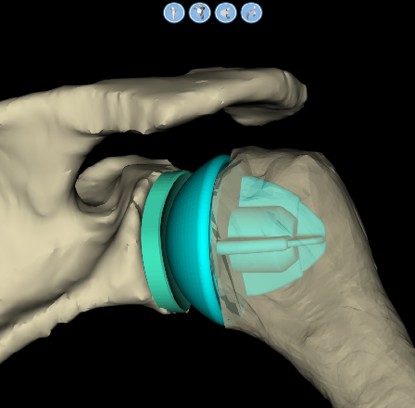
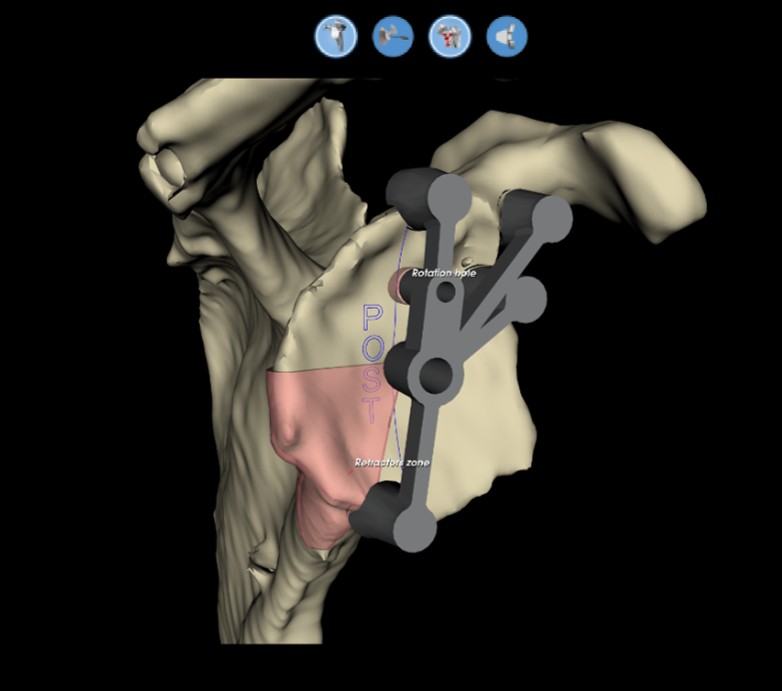
Computer-assisted shoulder surgery often begins with advanced imaging and three-dimensional (3D) planning.
This process typically involves:

This allows Dr Dallalana to understand the specific challenges of your shoulder anatomy before surgery is performed.

2. Custom implant design and engineering collaboration

In more complex cases, particularly where there is significant bone loss or previous surgery, standard implants may not provide a stable or reliable reconstruction. In these situations, computer-assisted planning may be used to design a custom-made implant tailored to your individual anatomy.

These implants are typically manufactured using 3D-printed titanium, designed to integrate with your bone.

3. Intra-operative guidance

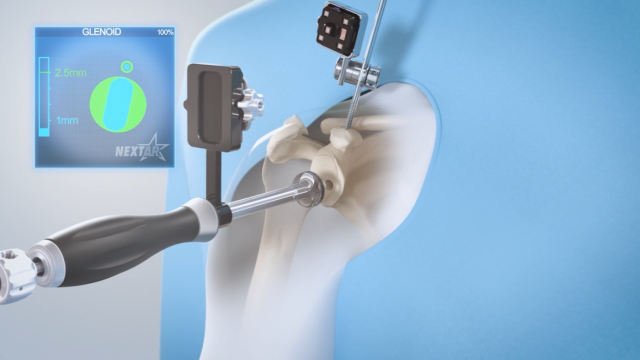
During surgery, computer-assisted navigation equipment or single-use patient-specific instruments may be used to help guide implant placement based on the pre-operative plan. Robotic arms are used in some cases to prepare some of the bone surfaces.

These technologies:

Provide guidance on alignment and positioning

Assist with accuracy during implant insertion

Improve consistency in complex procedures

Importantly, these systems do not replace surgical judgement, but act as tools to assist accurate implantation of the prosthetic components during surgery.

4. Planning timelines and considerations

Preparation time is required which can vary from a few days to a number of weeks depending on complexity

5. Your surgery

Dr Richard Dallalana will assess your condition and discuss which personalised technique and type of computer assistance is most appropriate. Your surgical plan will always be based on your individual anatomy, condition, and functional goals.

Message sent