
Custom-Made Shoulder Replacement

Personalised implant planning for complex shoulder anatomy and reconstruction

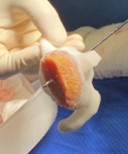
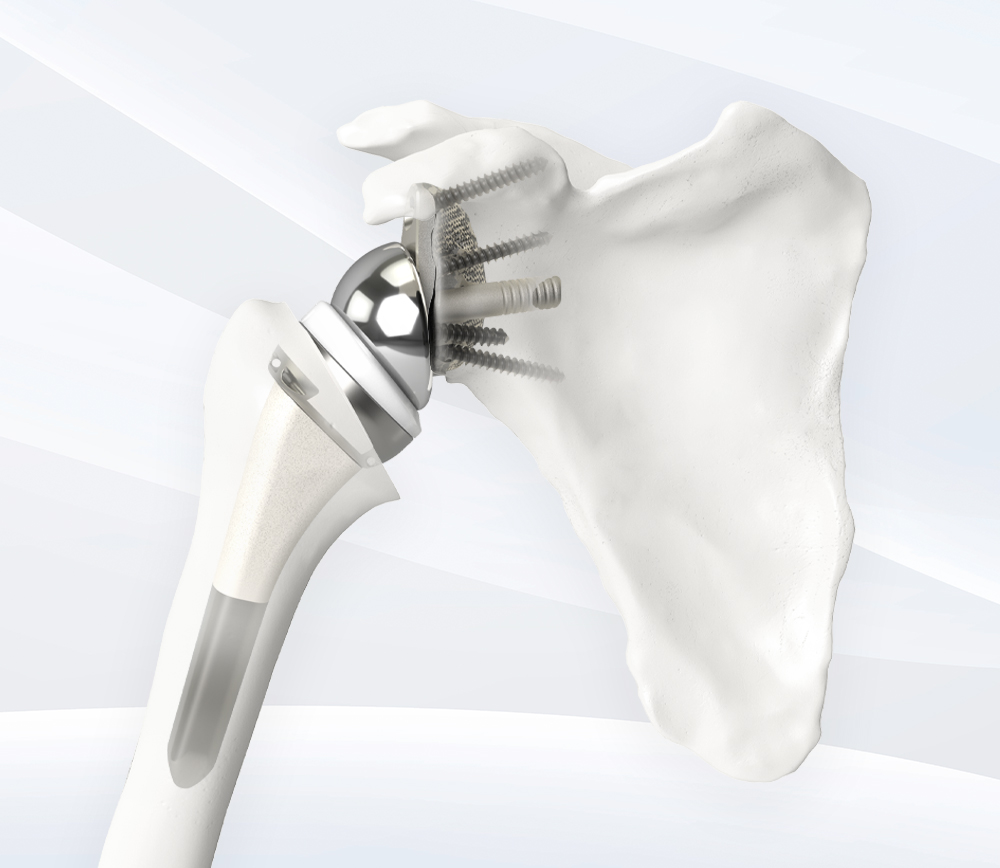
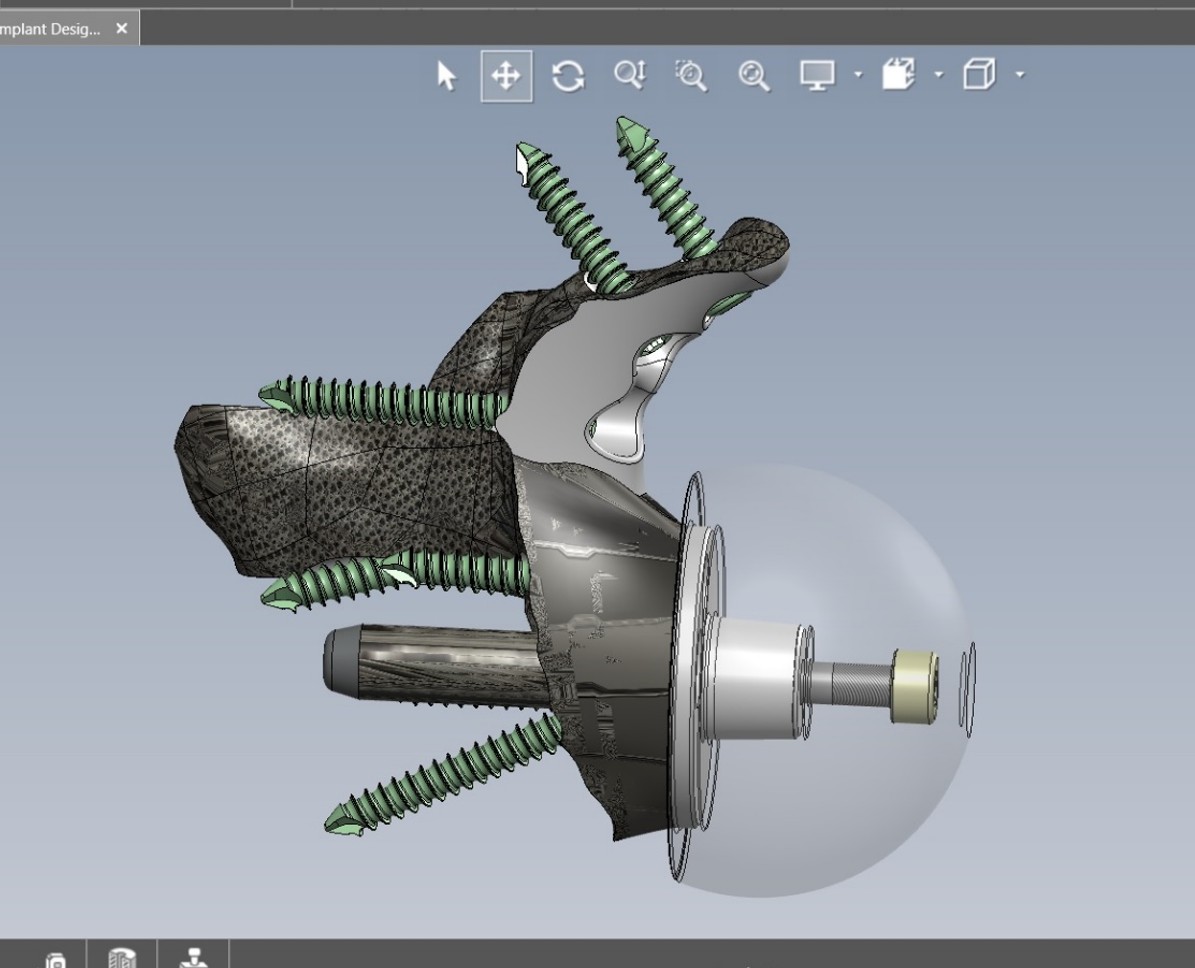
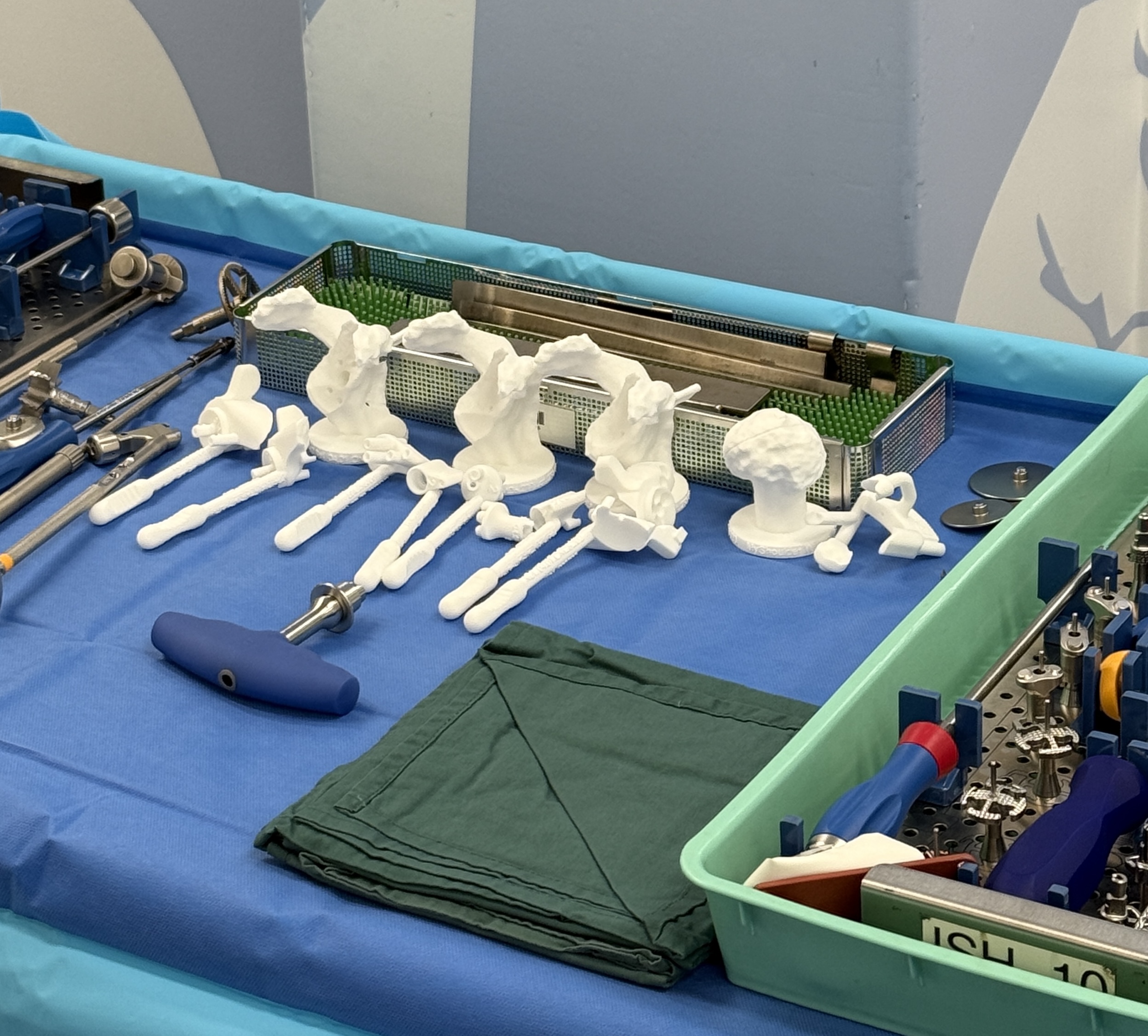
A custom-made shoulder replacement is an advanced approach to shoulder arthroplasty that uses detailed 3D imaging and personalised planning to guide implant positioning and, in some cases, create patient-specific surgical guides.

Dr Richard Dallalana may choose to use these techniques in selected patients where the normal anatomy of the shoulder has been altered by bone loss, deformity, arthritis, or previous surgery. By tailoring the surgical plan to your individual shoulder structure, this approach aims to support accurate implant placement and joint stability in more complex cases.

On this page, you will learn what custom-made shoulder replacement involves, when it may be considered, how the technology is used, and what to expect in the lead-up to surgery.

When custom-made planning techniques may be considered

Custom-made planning techniques are not required for every shoulder replacement. In many cases, standard imaging and surgical planning provide sufficient information to perform the procedure safely and effectively. Dr Richard Dallalana may choose to use more advanced, personalised planning techniques in selected patients however, where the structure of the shoulder is more complex or differs from typical anatomy. This approach is considered when additional detail may assist in understanding the joint and planning implant positioning more precisely.

Situations where this may be considered include:

In these situations, standard planning alone may not fully capture the complexity of the joint. Additional 3D imaging and personalised planning can help provide a clearer understanding of the underlying structure and support surgical decision-making.


It is important to note that custom-made planning techniques do not change the overall goal of surgery. The aim remains to reduce pain and improve shoulder function using well-established shoulder replacement techniques. These tools are simply used to assist with planning in cases where greater precision may be beneficial. The decision to use personalised planning techniques depends on your individual shoulder anatomy, imaging findings, and the nature of your condition.

How your shoulder is assessed and planned using personalised techniques

Careful assessment and detailed planning are important steps before shoulder replacement surgery. The aim is to understand your shoulder anatomy, how the joint is functioning, and how these factors may influence implant selection and positioning.

Clinical assessment and functional evaluation

Your shoulder is assessed through a detailed physical examination to understand how it is currently functioning. This includes assessing: Range of motion Strength of the shoulder and surrounding muscles Stability of the joint Movement patterns and any compensatory strategies This helps identify the structures contributing to your symptoms and provides a baseline for both surgical planning and recovery.

Advanced imaging and structural assessment:

Imaging is used to assess the underlying structure of your shoulder and guide planning. This may include: X-rays to assess joint space, alignment, and arthritic changes MRI scans to evaluate the rotator cuff, soft tissues, and muscle quality CT scans to provide a detailed view of bone shape, wear patterns, and deformity CT imaging allows a three-dimensional understanding of the joint and is particularly useful in more complex cases.

3D modelling and personalised surgical planning:

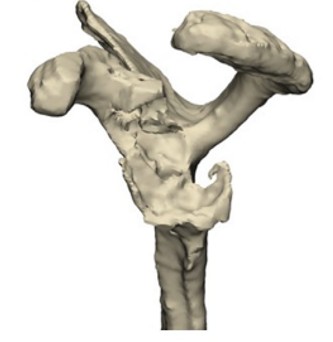
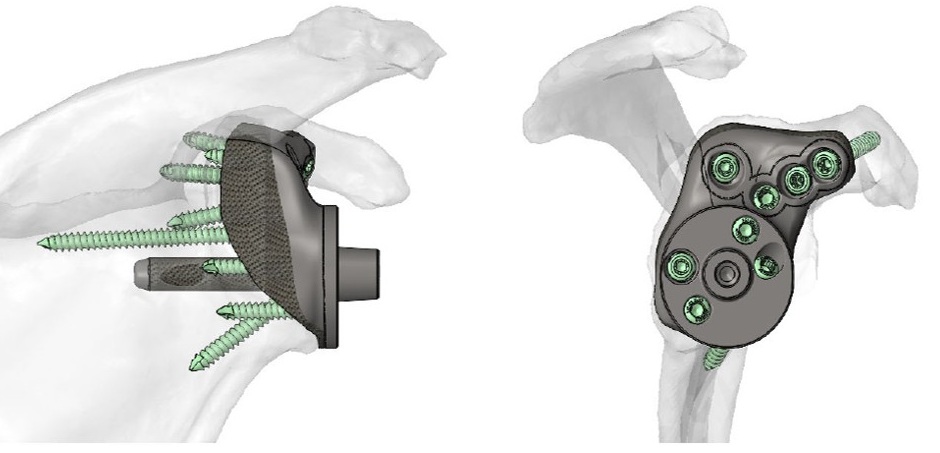
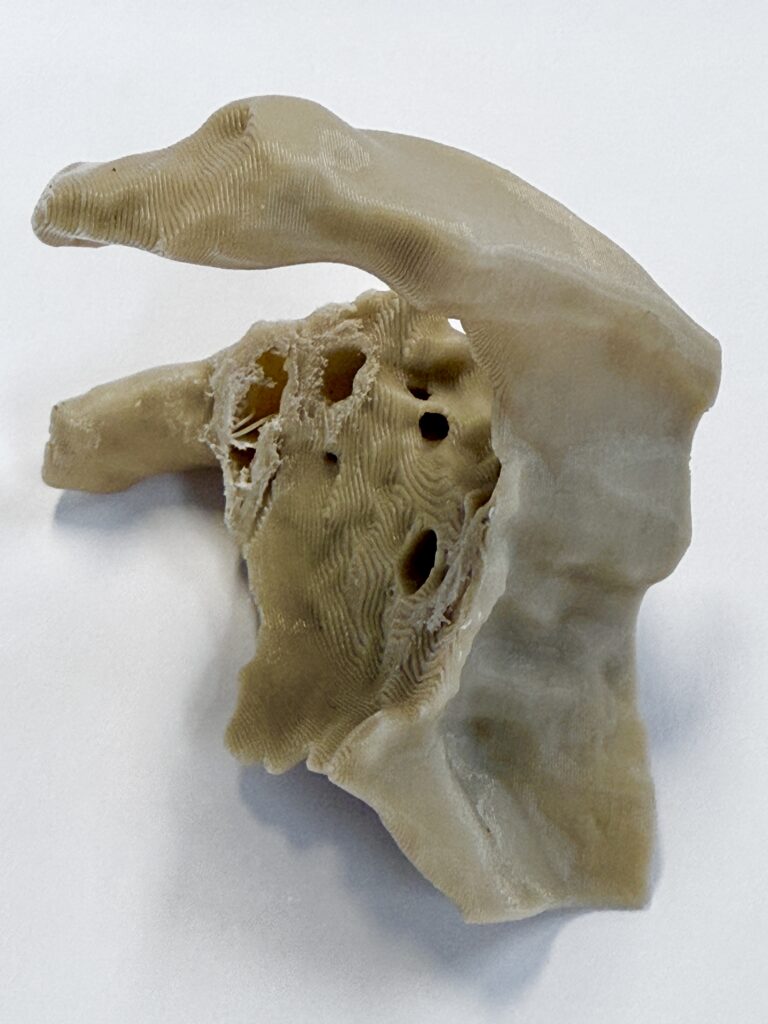
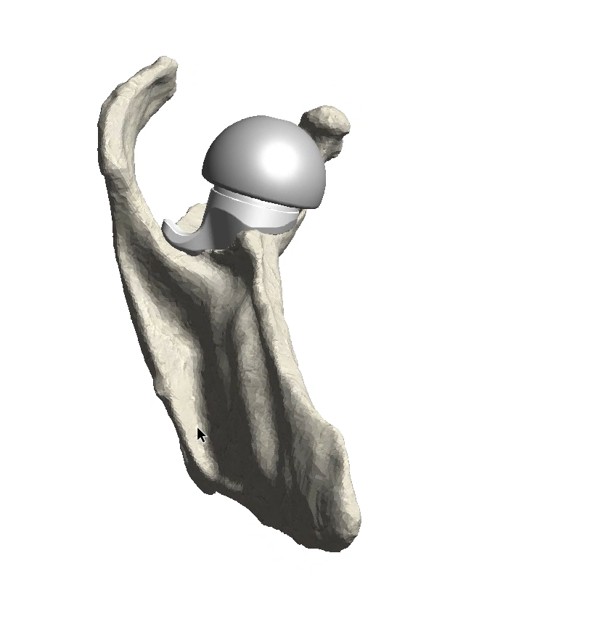
CT-based imaging can be used to create a 3D model of your shoulder. This allows the joint to be assessed in detail before surgery. Dr Dallalana may choose to use this technology to: Analyse bone shape and areas of bone loss Assess glenoid (socket) orientation and wear Plan implant size and positioning Consider how the joint may function after reconstruction This level of planning can be particularly important in reverse shoulder replacement, where implant positioning influences both stability and movement.

Patient-specific instrumentation (PSI)

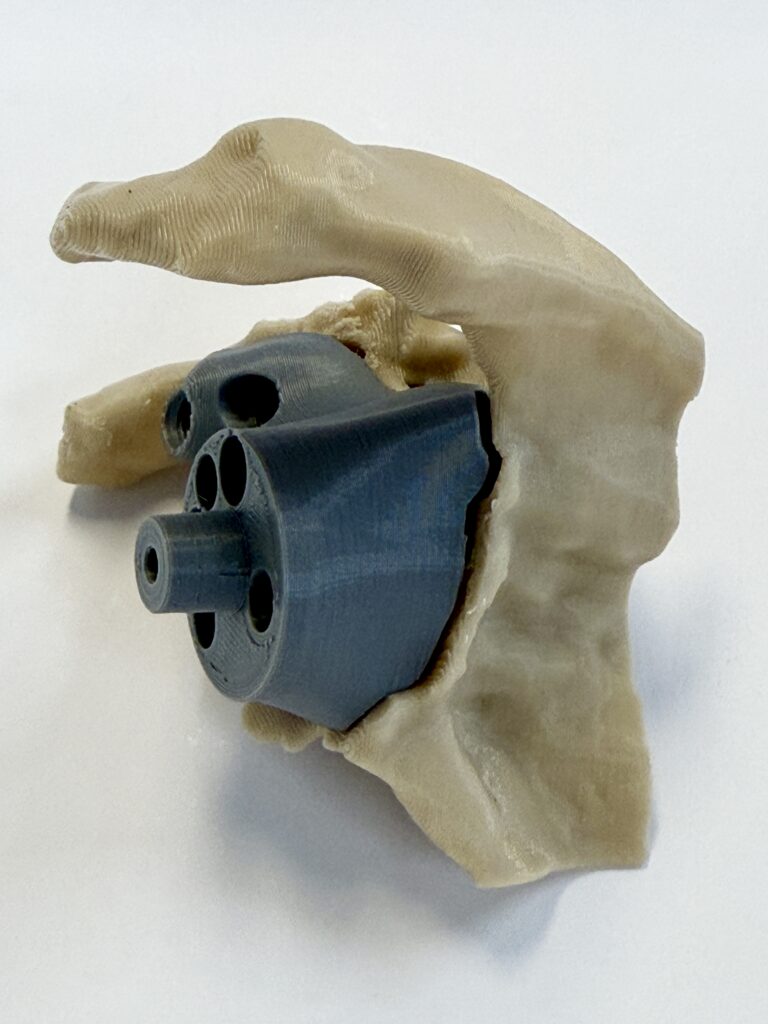
In some cases, patient-specific guides are created based on your imaging. These guides are designed to match your individual anatomy and may assist during surgery with: Positioning of implants Alignment of components Reproducing the planned surgical approach These are used selectively where they may assist with surgical accuracy.

Planning implant selection and positioning

Pre-operative planning also involves selecting the most appropriate implant type, size, and configuration based on your individual anatomy. This includes consideration of: Bone quality and structure The degree of joint wear or deformity The condition of the rotator cuff and surrounding muscles The type of shoulder replacement being performed Careful planning aims to support joint stability, optimise movement, and reduce the risk of complications such as implant malposition or loosening.

What to expect before surgery when personalised planning is used

When more detailed planning is required, there are a few additional steps before shoulder replacement surgery. These steps are designed to build a clear understanding of your shoulder anatomy and allow time for accurate surgical preparation.
Additional imaging and investigations:

A CT scan is usually arranged to provide a detailed, three-dimensional view of your shoulder joint, in addition to standard imaging such as X-rays or MRI.

This imaging helps assess:

  • Bone shape and joint alignment
  • Areas of bone loss or wear
  • Glenoid (socket) orientation
  • Structural changes from previous surgery or injury

This level of detail supports more precise planning of the procedure.

Following imaging, the information is processed using specialised software to create a 3D model of your shoulder.

This stage may involve:

  • Detailed assessment of your shoulder anatomy
  • Pre-operative planning of implant positioning
  • Selection of implant size and configuration
  • Design and production of patient-specific guides where appropriate

This process takes time, and surgery is scheduled to allow for this preparation. In most cases, this may add approximately 4 to 6 weeks between imaging and surgery.

Surgery is planned once the imaging and preparation process is complete.

This helps ensure:

  • The surgical plan has been carefully finalised
  • Any required patient-specific instrumentation is available
  • All aspects of the procedure have been considered in advance

Preparation for surgery is otherwise similar to standard shoulder replacement and may include:

  • Medical assessment to review your overall health
  • Medication review and adjustments where required
  • Pre-operative instructions for hospital admission
  • Education regarding recovery and rehabilitation

You may also be given guidance on preparing your home and organising support for the early recovery period.

These additional planning steps form part of a structured approach to shoulder replacement surgery in more complex cases. Dr Dallalana may choose to use these techniques where appropriate to support accurate planning and align the procedure with your individual anatomy and condition.

Potential benefits and considerations of personalised shoulder replacement planning

Personalised planning techniques are used to support accuracy during shoulder replacement surgery, particularly where the anatomy is more complex. By understanding your shoulder structure in detail before surgery, this approach helps guide implant positioning and surgical decision-making.

1

Potential benefits

In selected patients, this approach may assist with:
In reverse shoulder replacement, implant positioning plays an important role in how the shoulder functions after surgery, and detailed planning can help support this.

2

Considerations

Personalised planning is used as an additional tool alongside established surgical techniques. Dr Dallalana may choose to incorporate these techniques where appropriate to align the procedure with your individual anatomy.

How personalised planning fits into your overall shoulder replacement journey

Personalised planning forms part of the overall preparation for shoulder replacement surgery, rather than a separate procedure.

It is used alongside standard assessment, surgical techniques, and post-operative care to support planning in cases where additional detail may be helpful.

From your initial assessment through to surgery and recovery, the overall process remains the same. Personalised planning simply adds an additional step before surgery to better understand your shoulder anatomy and guide decision-making.

This approach may be used in both anatomic and reverse shoulder replacement, depending on your individual condition.

If you’re experiencing ongoing pain, stiffness, or reduced movement that is affecting your daily activities or quality of life, a thorough orthopaedic assessment can help determine the cause and guide the most appropriate treatment options for your situation.

Message sent