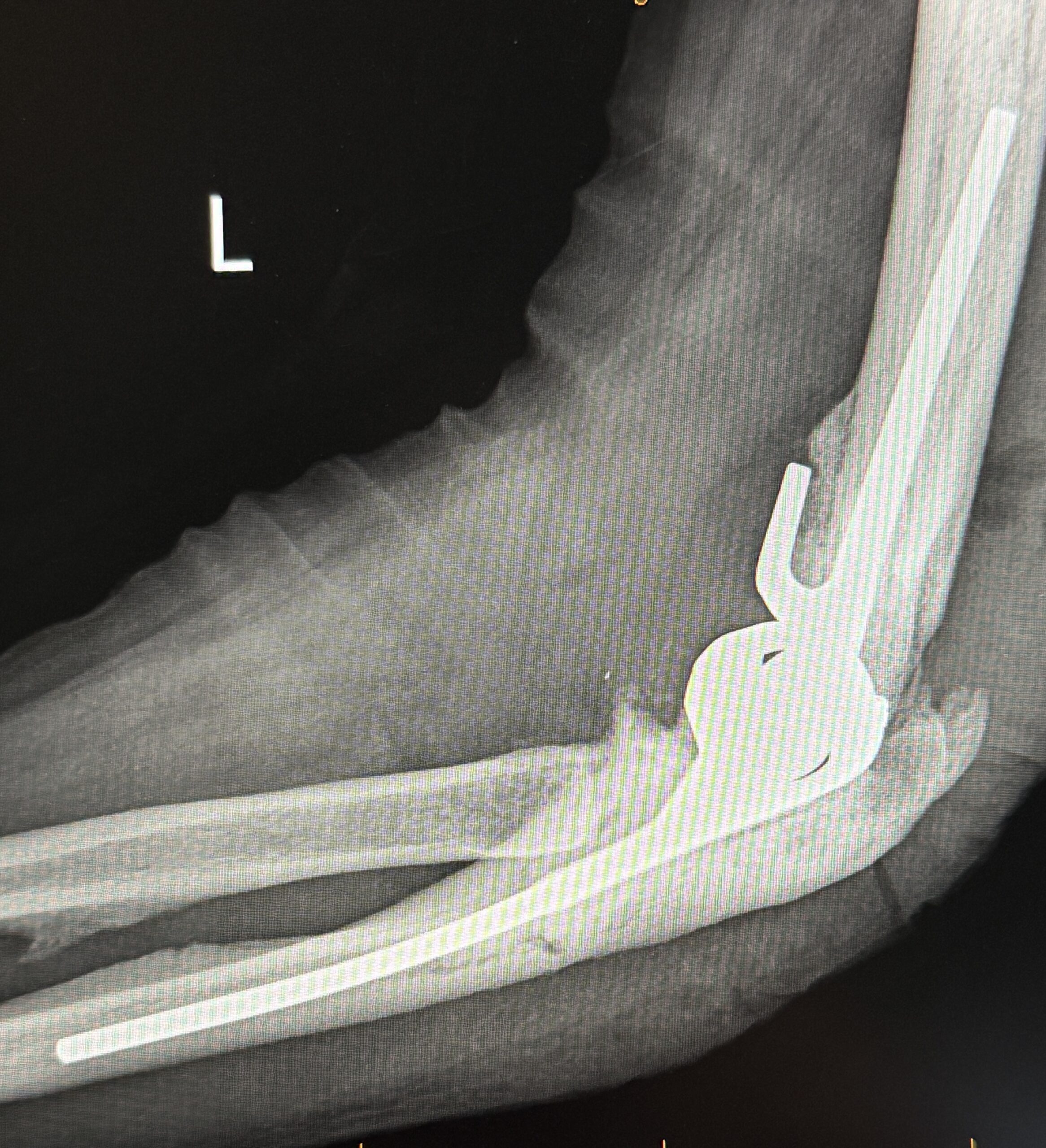

Total elbow replacement surgery, also known as elbow arthroplasty, is performed to treat severe elbow joint damage that causes persistent pain, stiffness, instability, or loss of arm function. The procedure involves replacing the damaged joint surfaces with specialised prosthetic components designed to improve movement, reduce pain, and restore functional use of the arm.
Total elbow replacement is typically recommended when joint damage is advanced and non-surgical treatments are no longer providing adequate symptom relief. The procedure may assist patients who experience difficulty performing everyday activities such as lifting objects, personal care tasks, or using the arm for work or recreational activities.
On this page, you will learn how elbow arthritis and joint damage are assessed, when total elbow replacement surgery may be recommended, how the procedure is performed, expected recovery and rehabilitation timelines, potential risks, and guidance on safely returning to daily activities following surgery.
Total elbow replacement surgery may be considered for several conditions affecting the elbow joint, including:
This may include:
Some fractures involving multiple joint surfaces or severe bone damage may not be suitable for fixation and may require joint replacement to restore function.
In some cases, persistent pain or instability following previous fracture fixation or ligament reconstruction may require replacement surgery.
Severe joint damage or instability that cannot be reconstructed using other surgical techniques may be managed with elbow arthroplasty.
Dr Richard Dallalana performs a comprehensive assessment to determine whether elbow replacement surgery is appropriate based on joint damage, bone quality, age, activity level, and functional goals.
Total elbow replacement surgery involves removing damaged cartilage and bone from the joint surfaces and replacing them with artificial components that recreate joint movement. Most elbow replacements involve a prosthetic hinge system that allows bending and straightening of the elbow while maintaining joint stability.
Careful surgical planning is essential to support optimal outcomes.
Pre-operative preparation typically includes:
Dr Dallalana will assess:
Imaging may include:
Preparation may also involve:
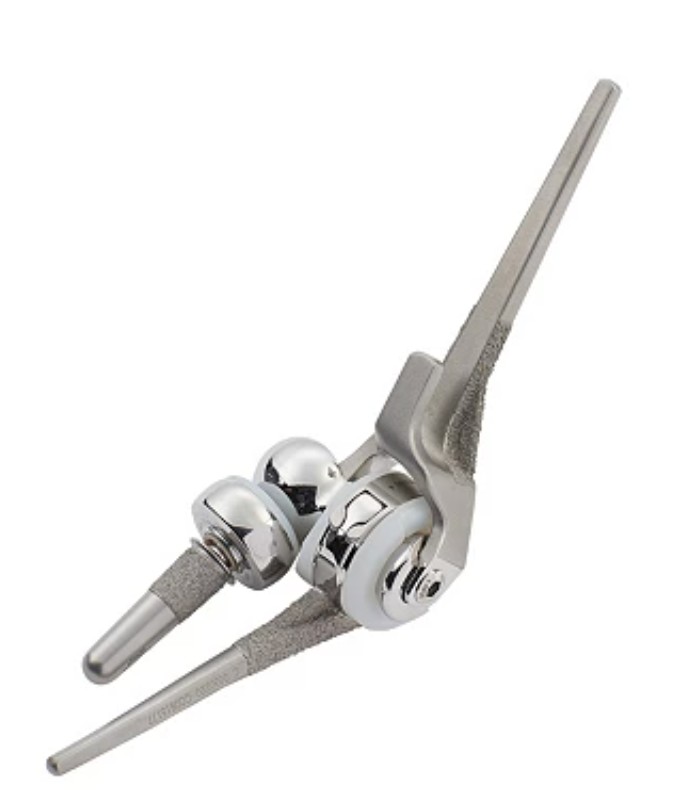
During total elbow replacement surgery, the damaged joint surfaces are replaced with artificial components known as a prosthesis. These components are designed to replicate the natural movement of the elbow joint while providing stability and reducing pain.
The prosthesis typically consists of:
This component is inserted into the upper arm bone (humerus). It replaces the damaged joint surface and forms one side of the new elbow joint.
This component is inserted into the ulna (one of the forearm bones). It connects with the humeral component to allow controlled bending and straightening of the elbow.
Most modern elbow replacements include a linked or semi-linked hinge design. This allows movement while providing stability, particularly when ligaments or joint structures have been damaged by arthritis or trauma.
The artificial joint is designed to:
Implant fixation may involve surgical cement or press-fit techniques depending on bone quality and surgical planning.
Elbow replacement implants are designed to function for many years. Prosthesis longevity varies between individuals and may depend on:
Because elbow replacements are smaller and experience different loading forces compared to hip or knee replacements, patients are usually advised to avoid heavy lifting or repetitive high-load activities to help protect implant longevity.
Selection of the most appropriate prosthesis depends on several patient-specific factors, including:
Dr Richard Dallalana carefully assesses these factors when planning elbow replacement surgery to support safe joint function and long-term outcomes.
Total elbow replacement surgery is typically performed under general anaesthesia and may be combined with regional nerve blocks to assist with post-operative pain management.
A carefully positioned incision is made at the back of the elbow to allow safe access to the joint while protecting surrounding nerves and soft tissues.
Artificial components are inserted into the humerus and ulna. These components are typically connected through a hinge mechanism designed to allow controlled joint movement while maintaining stability.
Fixation may involve:
Ligaments and soft tissues are assessed and adjusted to ensure joint stability and smooth movement following implantation.
Patients usually remain in hospital for monitoring, pain management, and early rehabilitation.
Early recovery focuses on:
The length of hospital stay varies depending on individual health and recovery progress.
Full recovery timelines vary depending on joint damage severity, overall health, and rehabilitation progress.
Unlike some other joint replacements, elbow replacements require lifelong activity modifications to protect implant longevity.
Patients are usually advised to avoid:
Dr Dallalana provides individual guidance on safe long-term activity levels.
Careful surgical technique, rehabilitation planning, and activity modification aim to reduce these risks.
Many patients experience:
Functional improvement depends on pre-operative joint condition, muscle strength, and adherence to rehabilitation and activity recommendations.
Total elbow replacement surgery requires detailed surgical planning and personalised rehabilitation strategies. Treatment planning considers:
Dr Richard Dallalana focuses on tailoring surgical technique and recovery planning to support safe rehabilitation and long-term elbow function.
If you have severe elbow arthritis, complex elbow injury, or persistent elbow pain and stiffness affecting daily activities, specialist assessment can help determine whether elbow replacement surgery may be appropriate. Dr Richard Dallalana provides comprehensive assessment and management of elbow joint conditions, offering both non-operative and surgical treatment options tailored to individual patient needs.
Message sent