Elbow Conditions

Elbow Fractures

Elbow Fracture): Causes, Symptoms and Treatment Options

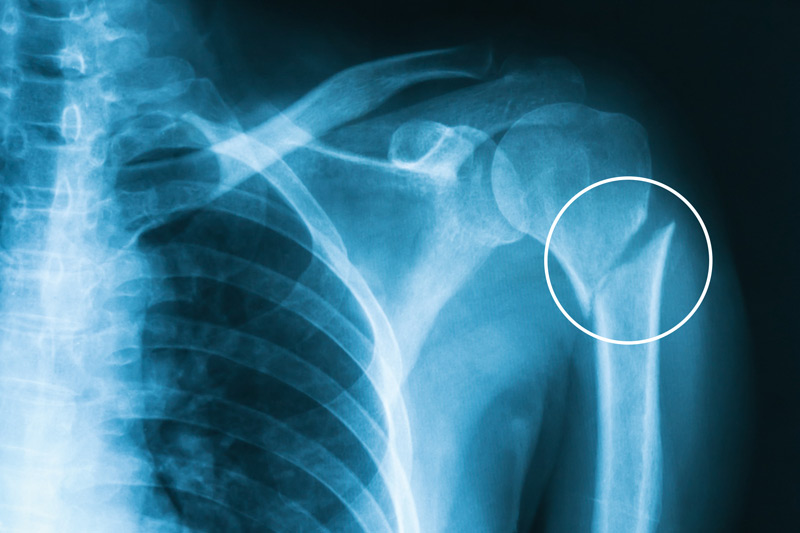
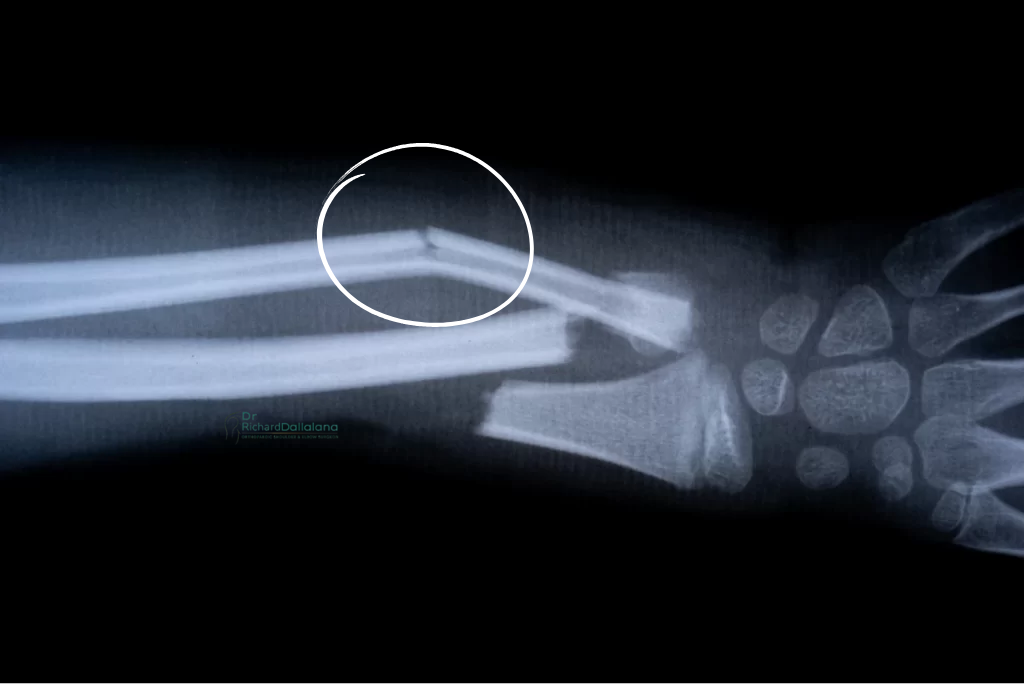
Elbow fractures occur when one or more of the bones forming the elbow joint break following trauma or injury. Because the elbow is a complex joint responsible for both bending and rotation of the arm, fractures can significantly affect movement, strength, and function if not appropriately managed.

Elbow fractures range from small, stable cracks in the bone to more complex injuries involving joint displacement, ligament damage, or multiple fracture fragments. Early assessment is important to restore joint alignment, maintain movement, and reduce the risk of long-term stiffness or arthritis.

Understanding the Elbow Joint

The elbow joint is formed by three bones:

Humerus

The upper arm bone

Ulna

The larger forearm bone that forms the hinge portion of the elbow
Radius

The forearm bone that allows rotation of the arm
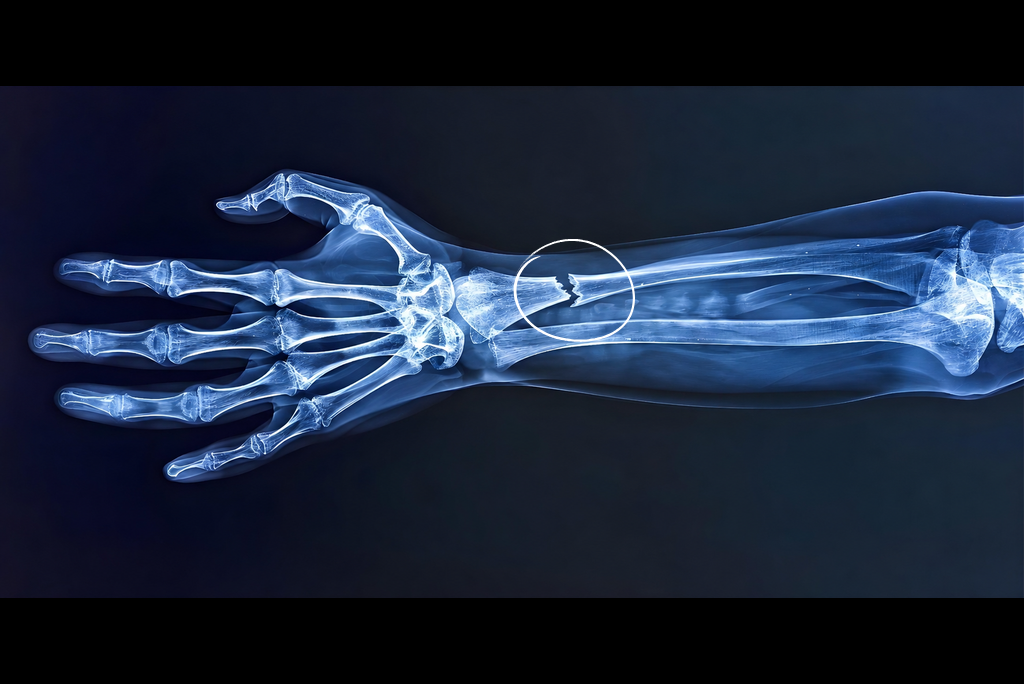
These bones work together to allow the elbow to bend, straighten, and rotate the forearm. Ligaments, cartilage, muscles, and tendons provide stability and support movement. Fractures affecting any of these structures can disrupt normal elbow mechanics.

What Causes Elbow Fractures?

Elbow fractures most commonly occur following trauma.
Causes may include:

Types of Elbow Fractures

Elbow fractures can involve different bones and injury patterns:

1

Radial Head Fractures

Fractures of the radial head occur near the outer side of the elbow and commonly result from falls. These injuries can affect forearm rotation and elbow stability.

2

Olecranon Fractures

The olecranon forms the bony tip of the elbow. Fractures here may affect the ability to straighten the arm and are often caused by direct impact or falls.

3

Distal Humerus Fractures

These fractures occur at the lower end of the upper arm bone and may involve the joint surface. They are often more complex injuries requiring careful assessment.

4

Complex or Combined Fractures

Some injuries involve multiple bones, joint dislocation, or ligament damage, requiring specialised treatment planning.

Symptoms of an Elbow Fracture

Symptoms vary depending on the severity and location of the fracture but may include:
In some cases, patients may still be able to move the elbow despite a fracture, which is why imaging is important when injury is suspected.

How Elbow Fractures Are Diagnosed

Diagnosis involves clinical assessment and imaging.

Evaluation typically includes:

Accurate diagnosis helps guide treatment decisions and rehabilitation planning.

Detailed history of the injury mechanism

Physical examination assessing movement, stability, and nerve function

X-rays to identify fracture location, displacement, and joint involvement

Additional imaging may include:

CT scans to assess complex fractures and joint alignment

MRI in selected cases to evaluate ligament or cartilage injury

Non-Surgical Treatment for Elbow Fractures

Many elbow fractures can be managed without surgery, particularly when bones remain well aligned.
Non-operative management may include:
Careful monitoring with follow-up imaging may be required to ensure the fracture heals in a stable position.

When Surgery May Be Recommended for Elbow Fractures

Surgical treatment may be considered when:

Surgical Treatment Options for Elbow Fractures

The aim of surgery is to restore joint alignment, stabilise the fracture, and allow early movement where possible.
Open Reduction and Internal Fixation (ORIF)
Fracture fragments are repositioned and stabilised using plates, screws, or wires to maintain alignment during healing.
In some radial head fractures, the bone can be repaired. In more severe cases, replacement of the radial head may be considered to restore stability.
Complex fractures involving multiple structures may require advanced reconstructive techniques.
The most appropriate surgical option depends on fracture pattern, bone quality, and functional demands.

Recovery and Rehabilitation After an Elbow Fracture

Recovery depends on fracture severity and treatment method.
Rehabilitation usually involves:
Elbow stiffness can occur following injury, making guided rehabilitation an important part of recovery.

Choosing the Right Treatment for Elbow Fractures

Treatment planning depends on multiple factors, including:
Dr Richard Dallalana provides specialist assessment and management of elbow fractures, focusing on restoring movement, stability, and long-term joint function.

When to See a Specialist for an Elbow Injury

You should seek specialist assessment if you experience:
Early specialist review may help guide treatment and reduce the risk of long-term complications.

If you’re experiencing ongoing pain, stiffness, or reduced movement that is affecting your daily activities or quality of life, a thorough orthopaedic assessment can help determine the cause and guide the most appropriate treatment options for your situation.

Message sent